
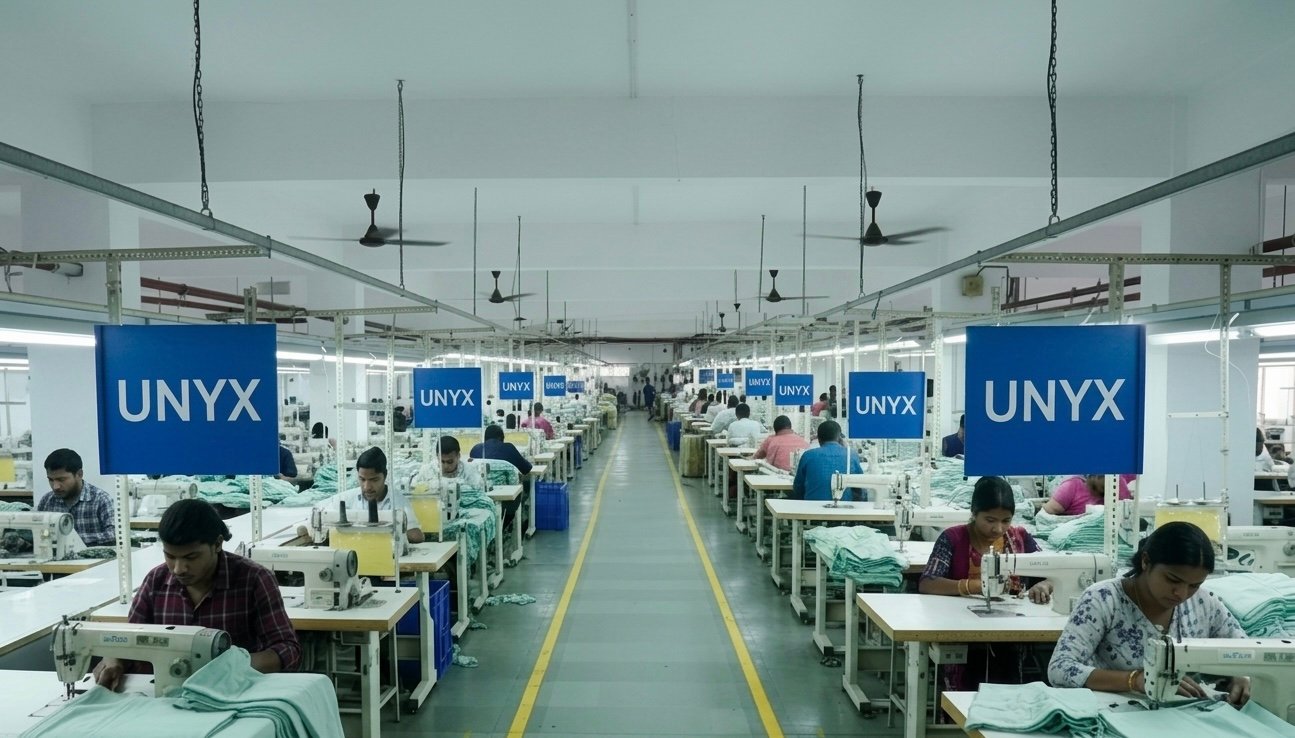
Starting a fashion brand feels exciting at first. Ideas, designs, all of that comes easy. The tricky part shows up later, turning those ideas into actual products people can wear and buy. That mostly comes down to one thing, the manufacturer.
Across different projects and brands, one pattern keeps showing up. The manufacturing partner quietly decides how fast things move. Sometimes things flow smoothly. Sometimes everything slows down for no clear reason. This guide breaks down how to actually find the right clothing manufacturer in India, without overcomplicating it.
Why India works well for fashion startups
India has been a go-to for a reason. Not just cost. It’s a mix of things that kind of come together nicely.
- Good quality without pushing budgets too far
- Skilled people who’ve been doing this for years, sometimes generations
- A wide range of fabrics, from basics to more niche stuff
- Export systems that are already in place
- Communication is usually straightforward
- Low MOQs, which helps a lot in early stages
All of this makes things flexible. Small batches, testing ideas, then scaling when something clicks. it’s possible without too much pressure.
Start with smarter online research
Most searches fail right at the beginning. Too broad, too random.
Instead of typing something vague, getting specific helps a lot.
- Search by product type (like organic cotton t-shirt manufacturer India)
- Add certifications into the search (e.g., “GOTS certified clothing manufacturer India”)
Checking if a manufacturer is actually reliable
A website says a lot, even when it doesn’t say much.
- Certifications
GOTS, WRAP, ISO, BSCI… these aren’t just certifications labels. They usually mean processes are in place. - Client Portfolio
Photos, client mentions, testimonials. It gives a sense of who they’ve worked with. - Transparency
Clear details on production, timelines, capacity… this matters more than it seems. - Contact Form or Book a Discovery Call
Fill a form and click on submit by using below button. You can also book a 30 mins call with us.
Sampling is where things get real
Skipping samples… that usually causes problems later.
A proper tech pack helps here:
- Measurements
- Fabric details
- Design specs
- Colors references
Once samples arrive, a few things stand out quickly:
- Stitching and finishing quality.
- Fabric feels and accuracy
- Fit and structure
- Delivery time
This stage also sets the tone of the relationship.
- Clear brand direction and expectations
- Consistent communication
- Constructive feedback
- Alignment on timelines and processes
Also, consider a virtual factory tour if a physical visit is not possible:
- Review production setup
- Understanding how work moves
- Checking working conditions
- Interact and talking to the QC team
This step builds confidence. Or raises questions. Both are useful.
Finalizing things before production
- Before moving ahead, everything should be clear on paper.
- Pricing terms (FOB, CIF, payments)
- Quality expectations
- Timelines
- Delay clauses
Clarity here avoids unnecessary back and forth later.
- Monitor Manufacturer Performance
Real Work start after placing an order. That’s where consistency gets tested.
- Delivery timelines
- Defect rates
- Sample vs bulk differences
- Monitor communication and responsiveness
Regular check-ins help. Monthly or quarterly calls usually keep things aligned.
Feedback from customers also helps refine things over time. Small improvements add up.
Region-specific things to keep in mind
USA
Sizing standards matter. CPSIA compliance, especially for kidswear.
UK
Look for REACH compliance. Prepare for post-Brexit import processes.
Australia
Consumer laws, quarantine and biosecurity rules need attention.
Common mistakes that show up often
A few patterns repeat quite a bit:
- Rushing the decision
- Choosing based only on price
- Skipping proper sample checks
These usually lead to delays or quality issues later.
The UNYX Studio approach
UNYX Studio works closely with emerging and boutique brands across different markets. Things are kept connected, design, sourcing, manufacturing. Not handled in isolation. That usually makes the whole process feel more workable on the ground.
An in-house design and production facility supported by a strong network of 100+ suppliers across all fashion categories – women’s, men’s and kid’s apparel, as well as, accessories, handbags and home collections.