
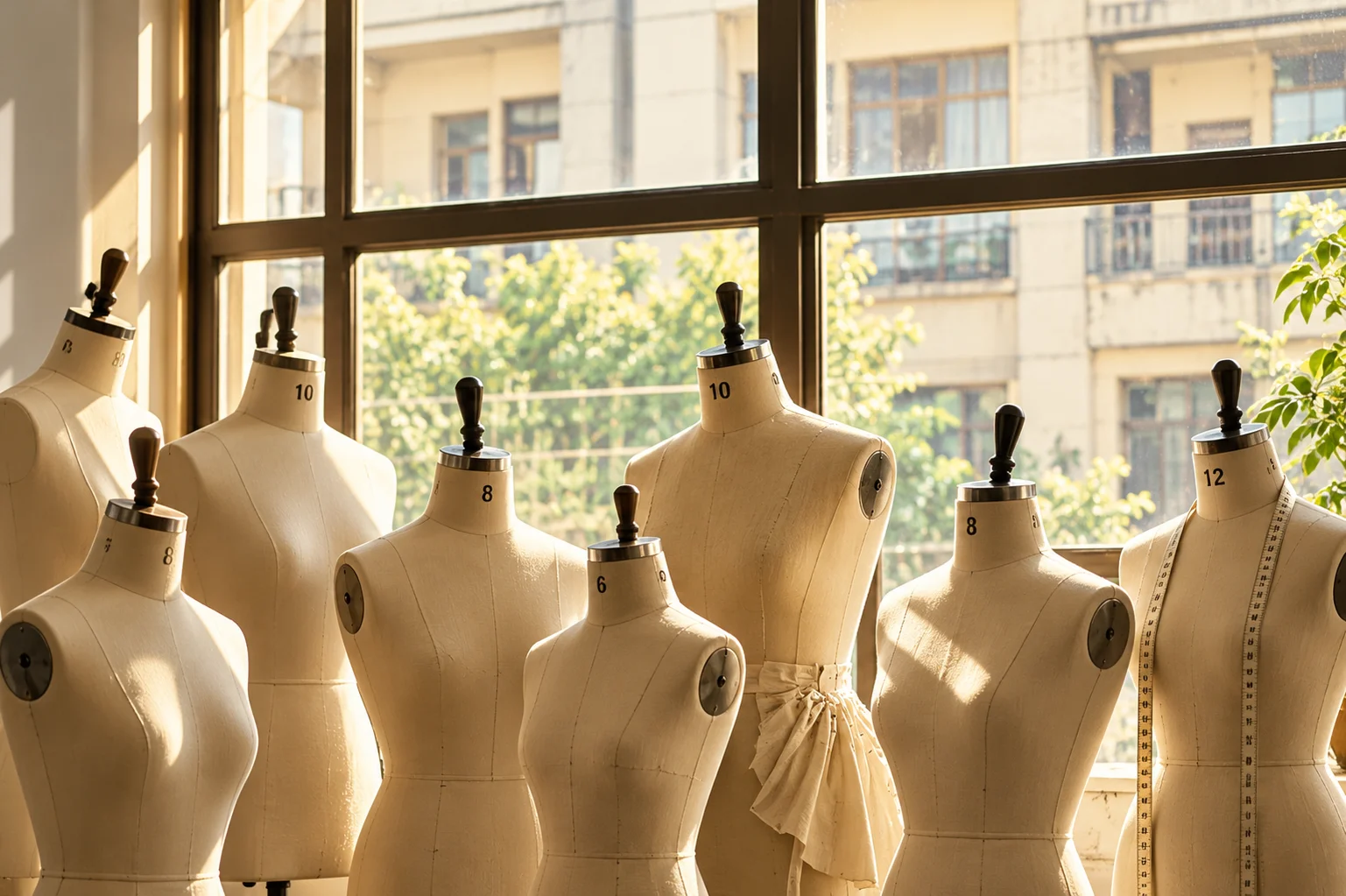
For an emerging fashion brand, the first supply chain is often built around one goal: get the collection made. But what works for an initial launch may become difficult to manage once styles, order volumes and collections increase. Choosing the right clothing suppliers in India and building a structured production process early can make future growth easier to manage.
The real question is not simply, “Who can manufacture our clothes?” It is, “Can this supply chain continue working as our business changes?”
Start With What Your Brand Actually Needs
A boutique label does not need the same supply chain as an established fashion company.
Before approaching suppliers or manufacturers, founders should define their immediate requirements. Think about product categories, expected quantities, materials, quality expectations, development requirements and launch timelines.
This prevents a common mistake: selecting partners based mainly on their production capabilities without checking whether those capabilities match the brand.
For example, a manufacturer capable of producing large volumes may not automatically be the right partner for an emerging label still testing products and refining its market.
The supply chain should fit the current stage of the business while leaving room for growth.
Do Not Build Everything Around One Order
The first production run can create tunnel vision.
Founders naturally focus on getting that order completed. The problem comes when decisions made for one collection create difficulties for the next.
Imagine a boutique brand launches with six styles. A few months later, it wants to retain two successful products, modify another, introduce four new designs and increase overall production.
Can the existing setup handle that change?
When evaluating clothing suppliers in India, founders should therefore look beyond the immediate collection. They should understand what categories suppliers work with, how development is managed and whether the relationship can support evolving requirements.
A scalable supply chain is built around repeatability, not one successful order.
Give Product Development Its Own Process
Manufacturing is only one stage.
Before a garment reaches production, there are decisions around design, materials, specifications, sampling and revisions. When these steps are loosely managed, problems can travel further down the supply chain.
A clearer development flow could include:
- Define the collection direction.
- Finalise individual product concepts.
- Establish specifications and material requirements.
- Develop samples.
- Review fit, construction and other relevant details.
- Approve the product for production.
The exact process may differ by product, but the principle remains the same. Production should begin from clear decisions.
Working with an apparel manufacturer in India becomes more effective when the brand itself has an organised development process.
Create Visibility Across Multiple Suppliers
As a brand expands, one supplier may not cover every product category.
A collection could eventually include woven apparel, knitwear, footwear, handbags or accessories. That can mean working with different specialists. At this point, supplier coordination becomes a business function of its own.
Founders need visibility into:
- What is being developed and where
- Sample and production status
- Important approvals
- Expected timelines
- Product requirements
- Dependencies between different stages
Without this visibility, adding more suppliers can actually slow the business down.
The objective is not to have as many production partners as possible. It is to build a network that can be coordinated effectively.
Treat Quality as a Repeatable Expectation
Customers do not know which supplier produced which garment. They only know the brand name on the product.
That means quality expectations have to remain connected to the brand even when production expands.
Founders should communicate product requirements clearly and address inconsistencies before increasing volumes. If a problem appears repeatedly during smaller runs, producing more units is likely to increase its impact.
When selecting an apparel manufacturer in India, brands should therefore think beyond capacity. The working relationship should also support the product requirements and standards the brand wants to maintain.
Build Flexibility Into Your Growth Plan
Fashion growth rarely happens in a perfectly straight line.
One collection may outperform expectations. Another may reveal that customers prefer a different category. A particular style might need replenishment while another does not.
This is why supply chains need some flexibility.
Instead of assuming every future collection will simply be larger, founders can plan around different scenarios:
- If demand rises: What needs to change in production?
- If a style performs strongly: How will replenishment be approached?
- If new categories are introduced: Which capabilities will be required?
- If the brand enters another market: What additional operational needs might appear?
Thinking through these situations early helps prevent growth from becoming reactive.
Connect Supply Chain Decisions With the Rest of the Brand
Production should not operate in isolation.
Collection planning affects manufacturing. Manufacturing timelines affect photography and content. Product availability affects marketing. Inventory affects e-commerce, warehousing and logistics.
A delay in one area can therefore affect several others.
This is where emerging brands benefit from viewing the supply chain as part of the wider business rather than as a factory relationship.
Build a Supply Chain for Where You Are Going
The right supply chain should help a fashion business progress from one collection to the next without rebuilding its operating model every time.
UNYX STUDIO combines its owned manufacturing infrastructure in India with a network of 100+ trusted suppliers, supporting fashion businesses across product development and manufacturing as part of a wider brand-building ecosystem.
For founders comparing clothing suppliers in India or looking for an apparel manufacturer in India, UNYX STUDIO provides a connected approach that can support the journey from product concept and development through manufacturing and onward to market.
FAQs
1. What should emerging brands look for in clothing suppliers?
Look beyond immediate production requirements. Consider product capabilities, development needs, quality expectations and whether the supplier setup can support future collections.
2. Can one manufacturer handle every fashion category?
Not always. Different product categories can require different capabilities, which is why growing brands may eventually work with multiple specialised suppliers.
3. Why is sampling important before scaling production?
Sampling gives brands an opportunity to review and refine a product before committing to a larger production run.
4. When should a fashion startup review its supply chain?
It is worth reviewing whenever the brand adds categories, increases production, experiences repeated delays or prepares for a significant stage of growth.
5. How can UNYX STUDIO support fashion production?
UNYX STUDIO supports product development and manufacturing through its owned manufacturing infrastructure and supplier network, while connecting these activities with the wider process of building and taking a fashion brand to market.