
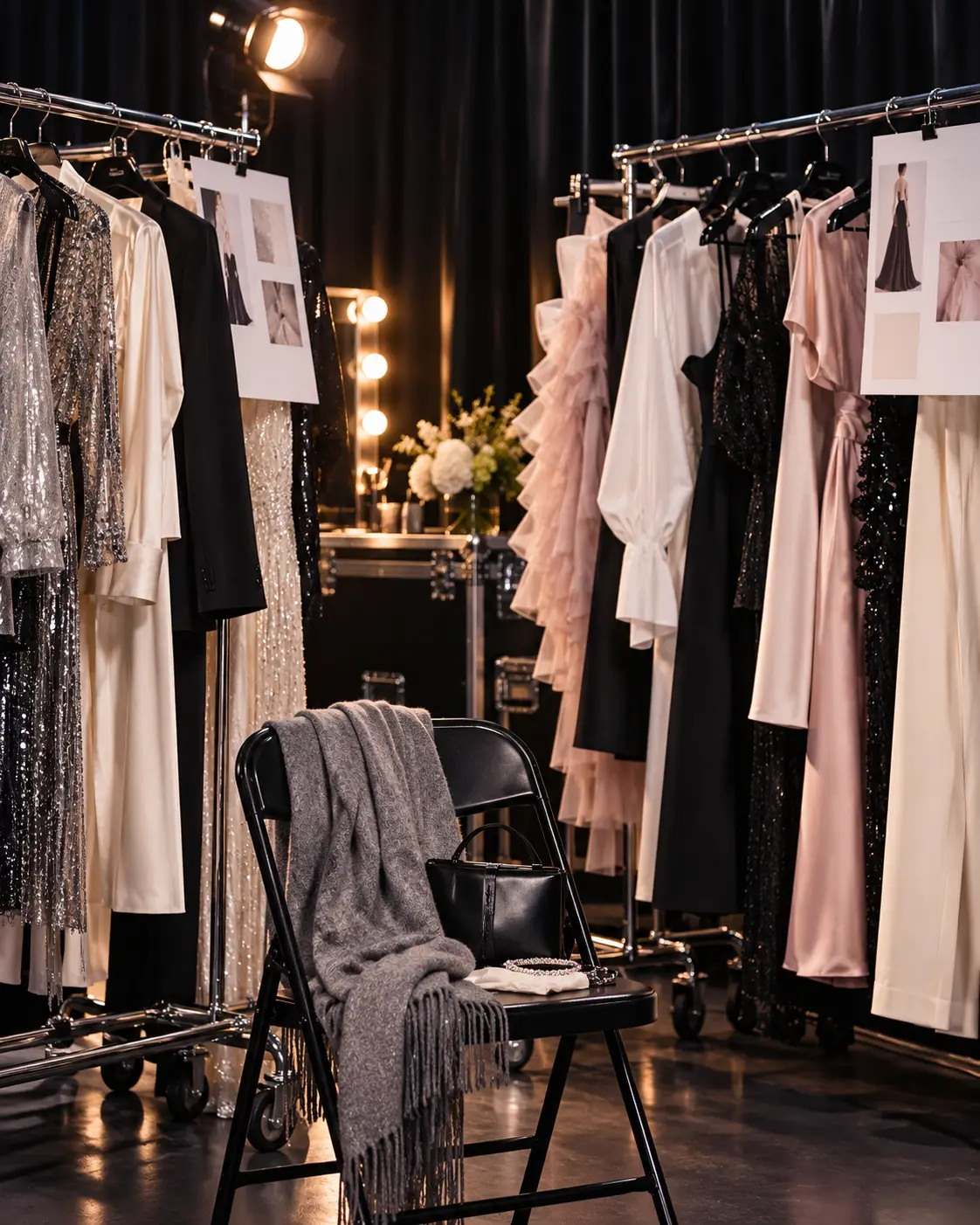
Selling through your first collection is encouraging, but it also creates a new set of decisions. Should you reorder immediately? Should quantities increase?
Which styles deserve another production run? For a brand that started with a low MOQ clothing manufacturer, the next step should be based on sales patterns and customer demand rather than the excitement of an early sell-through.
The first collection was partly about proving the concept. Repeat production is about proving that demand can continue.
A Sold-Out Product Does Not Always Mean “Order More”
This is one of the easiest assumptions for a new fashion brand to make.
A style sells out, so the obvious response seems to be placing a much larger repeat order.
But first, understand why it sold. Was the quantity extremely limited? Did a campaign create a temporary spike? Was one size responsible for most sales? Did customers continue asking for the product after it became unavailable?
A product that sells 40 units from an initial run of 40 tells you something. It does not automatically tell you that the market will absorb 400 next time.
Before reordering, look at the story behind the numbers.
Read Your First Collection Product by Product
Do not judge the collection only by total revenue or overall sell-through.
Individual products can behave very differently.
Take each SKU and place it mentally into one of four groups:
- Reorder: Consistent demand with continued customer interest.
- Review: Reasonable sales, but some uncertainty around colour, fit, sizing or other factors.
- Hold: Inventory is still moving and does not require immediate replenishment.
- Retire: Weak demand gives little reason for another production run.
This prevents one successful style from creating false confidence across the entire collection.
Working with a low MOQ clothing manufacturer can be particularly useful during this learning stage because smaller initial quantities give emerging brands room to understand what customers actually choose.
Look Beyond Sales and Read Customer Behaviour
Numbers tell you what happened. Customer behaviour can help explain why.
Suppose a dress sold well, but buyers repeatedly asked whether it would return in another colour. That feedback may influence the next order.
Or perhaps a product received plenty of website attention but converted poorly. Instead of simply producing more, the brand may need to understand whether the issue was product positioning, fit, pricing or something else.
Useful signals can come from:
- Restock requests
- Size enquiries
- Customer reviews
- Returns and exchanges
- Frequently requested colours
- Repeat purchases
- Questions received through customer service or social channels
The important point is to identify patterns rather than reacting to one comment.
Reorder the Winner Without Freezing the Brand
Repeat orders can create another problem: becoming too dependent on the first successful product.
A bestseller is valuable. It gives the brand evidence about what customers want.
But growth still requires development.
Instead of choosing between “repeat everything” and “replace everything,” founders can build the next collection around three layers:
- Proven: Products worth replenishing.
- Evolved: Existing ideas updated through colour, detail or other relevant changes.
- New: Fresh products that continue developing the brand.
This creates continuity for returning customers without turning every future collection into a copy of the first.
Increase Quantities in Steps
Scaling does not need to happen in one large jump.
Imagine a style performs well in an initial small production run. The next order could increase based on demonstrated demand rather than immediately moving to the highest quantity the business can afford.
Then the brand learns again.
This step-by-step approach can provide better information about the true depth of demand while limiting unnecessary inventory exposure.
A low MOQ clothing manufacturer can therefore play a strategic role beyond the first launch. Lower-volume production can give brands flexibility while they identify which products deserve larger commitments.
Check Whether the Business Can Support the Reorder
Demand is only one side of scaling.
Before increasing production, look at what happens after the garments leave manufacturing.
More inventory means more:
- Capital committed to stock
- Storage requirements
- Product photography and content needs
- E-commerce management
- Order fulfilment
- Customer support
- Logistics activity
A repeat order should therefore be considered in the context of the whole business.
If operations are already struggling with the first collection, multiplying inventory may multiply those problems too.
Plan the Reorder and Next Collection Together
Repeat production and new product development should not operate on completely separate timelines.
While successful products move towards replenishment, the brand can also begin developing what comes next.
Over time, this rhythm becomes the foundation of a more repeatable fashion business.
Instead of moving from one urgent collection to another, the founder starts managing a continuing product cycle.
Turn Early Demand Into Sustainable Growth
Selling the first collection is a milestone. The more important question is what the brand learns from it.
UNYX STUDIO supports fashion startups through product development and manufacturing as part of a wider ecosystem that also includes branding, content, marketing, e-commerce, marketplace management, warehousing and logistics.
For founders moving beyond their first production run, working with a low MOQ clothing manufacturer should be part of a broader strategy around testing demand, planning repeat orders and scaling successful products responsibly. UNYX STUDIO helps connect those production decisions with the wider journey of building a fashion business.
FAQs
1. When should a fashion brand reorder a sold-out product?
Consider reordering when the sell-through is supported by continued demand, restock requests or other evidence that customers still want the product.
2. Should repeat orders always be larger?
No. Quantity should depend on demonstrated demand, available capital, remaining inventory and the brand’s ability to manage additional stock.
3. Should every successful first-collection product be repeated?
Not necessarily. Brands should evaluate each product individually and prioritise those showing the clearest potential for continued demand.
4. Can brands reorder products while developing a new collection?
Yes. Repeat production and new product development can run alongside each other when timelines and resources are planned properly.
5. How can UNYX STUDIO support repeat production?
UNYX STUDIO supports fashion businesses across product development and manufacturing while also providing wider capabilities across branding, marketing, e-commerce, marketplace management, warehousing and logistics.