
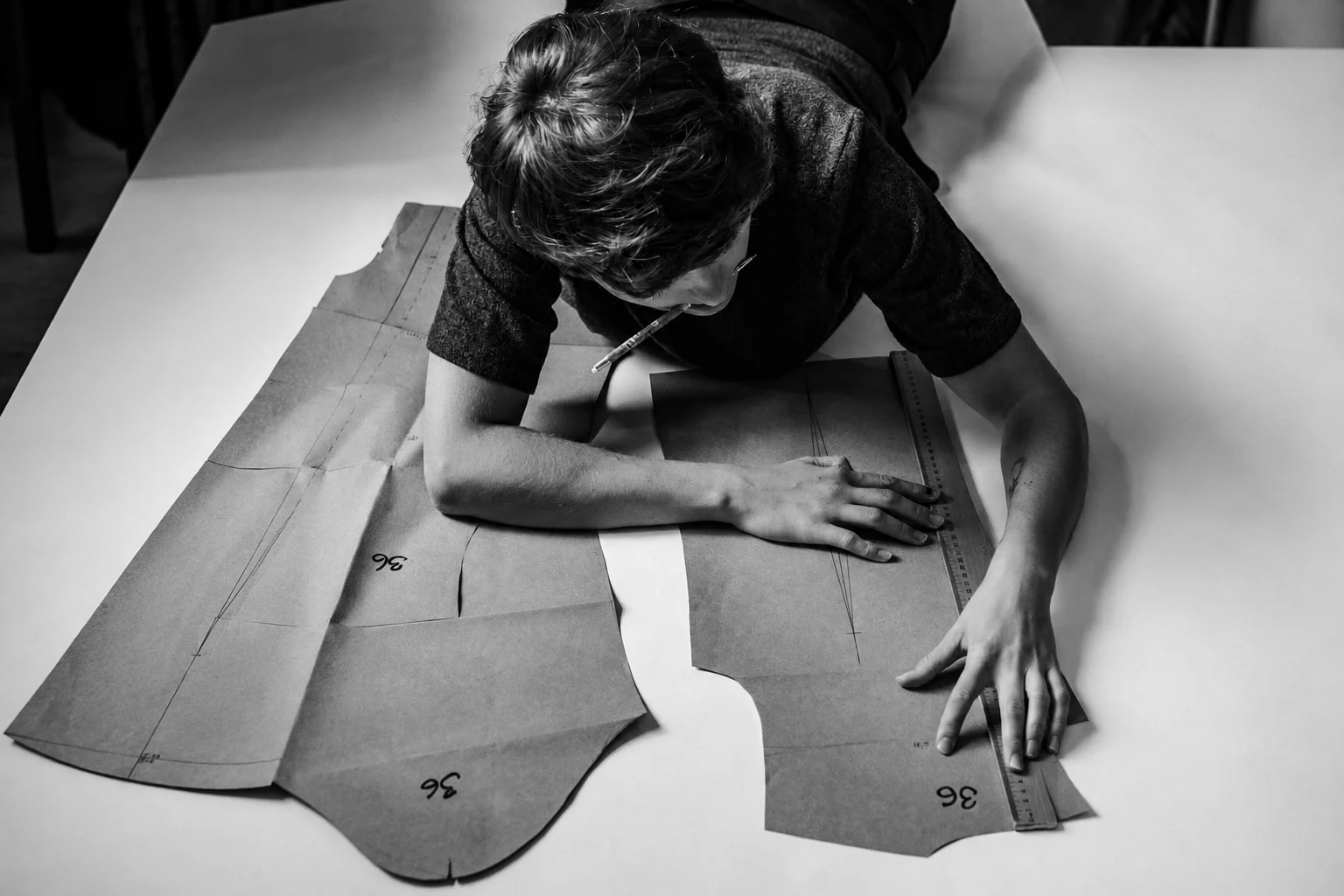
Working with an overseas design and manufacturing partner can give a US fashion startup access to broader production capabilities, specialist craftsmanship and more flexible cost structures.
It can also create serious delays, quality problems and unexpected expenses when the relationship is entered into without proper planning.
The founders who manage overseas production successfully are not necessarily those with the largest budgets. They are usually the ones who understand their product requirements, document expectations clearly and choose a partner capable of supporting more than the manufacturing order alone.
For fashion startups, the right overseas relationship should connect design, development, production and market preparation, not leave the founder coordinating each stage independently.
Why USA Fashion Startups Turn To Overseas Manufacturing
For many startups, overseas manufacturing offers access to capabilities that may be difficult or expensive to secure domestically.
India has a broad fashion manufacturing ecosystem covering categories such as:
- Woven apparel
- Knitwear
- Embroidery
- Leather goods
- Handbags
- Footwear
- Fashion accessories
- Home and lifestyle products
Production regions including Noida, Tiruppur, Surat and Jaipur have developed specialist experience across different materials, techniques and product categories.
Cost can also be an important consideration, but founders should avoid comparing factories only on unit price. The more useful figure is the total landed cost, which may include sampling, packaging, freight, customs duties, insurance, warehousing and fulfilment.
Overseas manufacturing creates value when the production capability, quality standard, order quantity and commercial model are aligned with the brand’s actual needs.
The Things That Catch First-Time Founders Off Guard
Time Zones And Communication Rhythms Are Real Constraints
The time difference between the USA and India can slow communication when projects are managed through unstructured email exchanges.
This does not make the relationship unworkable. It means communication should be planned more deliberately.
Helpful practices include:
- Scheduling recurring production calls
- Consolidating feedback into one approval document
- Reviewing several samples or queries in the same meeting
- Assigning clear decision-makers on both sides
- Recording agreed revisions and deadlines
- Maintaining a shared production calendar
A partner with regional support in the USA can reduce some of this friction by creating a clearer communication bridge between the founder and the manufacturing team.
UNYX STUDIO is headquartered in Noida, India, with a regional office in New York, allowing us to support US-based brands while remaining closely connected to product development and manufacturing operations in India.
Quality Expectations Need To Be Documented, Not Assumed
Quality problems are often caused by gaps between the founder’s expectations and the information available to the production team.
A reference image alone is not enough to communicate how a garment should be constructed.
Before sampling begins, brands should ideally prepare:
- Technical drawings
- Measurement specifications
- Grade rules
- Fabric and trim details
- Stitch and seam requirements
- Construction notes
- Label placement
- Packaging instructions
- Finish and wash references
- Approved tolerance limits
Detailed tech packs reduce interpretation and create a shared reference for development, sampling, production and inspection.
UNYX STUDIO supports startups across collection design, technical development and sampling, helping founders convert early concepts into clearer production-ready documentation before manufacturing begins.
Sampling Rounds Take Longer Than Domestic
Expect three to four weeks for an initial sample from an overseas manufacturer. Factor in shipping time both ways for revisions. A single sampling cycle from brief to approved sample can run six to ten weeks before bulk production begins.
Brands that plan for this thrive. Brands that assume overseas sampling works on the same timeline as a domestic atelier consistently miss their seasonal windows.
Import Duties, Compliance, And Customs Are Not Afterthoughts
Garments imported into the USA from India are subject to customs duties that vary by product category and fabric composition. Beyond duties, apparel sold in the US market needs to meet labelling requirements, fibre content, country of origin, and care instructions that are non-negotiable for retail.
Know your HTS codes before your first shipment. Understand the landed cost, not just the FOB cost. These numbers change what’s actually in your margin.
What A Strong Overseas Partnership Actually Looks Like?
The brands that build productive long-term relationships with a clothing manufacturer in India share a few consistent habits.
They visit. Or at minimum, they have someone on the ground who can. Seeing a factory in person before committing tells you more than any email exchange. The facility condition, the workforce, the equipment, the order management system, these things matter, and they’re visible on-site in a way they aren’t remotely.
They start smaller than they think they need to. First-season runs are for validation and relationship-building, not maximum volume. A manufacturer who works well on a small run and communicates cleanly through it is a manufacturer worth scaling with.
They treat the relationship as a long-term one. Manufacturers prioritise brands who give them consistent, predictable volume over time. A brand that switches suppliers every season to chase a lower price rarely gets the best service from any of them.
Build An Overseas Partnership Around The Entire Brand
Choosing an overseas production partner should not be treated as a search for the lowest unit cost.
The right decision depends on product expertise, technical support, manufacturing infrastructure, communication, compliance, quality control and the partner’s ability to support the business as it grows.
UNYX STUDIO operates as a Fashion Startup Enabler, not as a conventional manufacturer or sourcing agency.
We partner with fashion startups and emerging brands across collection design, product development, sampling, manufacturing, brand identity, content, marketing and market-entry planning. This coordinated model helps founders manage the full path from an initial concept to a commercially prepared fashion business.
Our headquarters and owned SEDEX and OEKO-TEX compliant factory are located in Noida, India. With regional offices in New York and Sydney, along with a supply chain of more than 100 trusted suppliers, we are structured to support brands developing products in India for international markets.
Book a discovery call with UNYX STUDIO to discuss your collection, overseas production requirements and US launch plans, and explore how an end-to-end partnership can help you build, launch and scale with fewer operational gaps.
FAQs
1. Why do many USA fashion startups work with overseas manufacturing partners?
Many startups choose overseas manufacturing to access competitive production costs, specialised craftsmanship, broader manufacturing capabilities, and greater production flexibility. The right partner can also help brands scale more efficiently as demand grows.
2. What should I prepare before working with an overseas clothing manufacturer?
Before starting production, prepare detailed tech packs, fabric specifications, sizing information, quality expectations, production timelines, and branding requirements. Clear documentation helps minimise misunderstandings and improves production accuracy.
3. How can I ensure quality when manufacturing overseas?
Choose an experienced manufacturer with strong quality control processes, request production samples, review materials carefully, maintain regular communication throughout production, and consider third-party inspections or factory visits where possible.
4. What costs should USA fashion brands consider beyond manufacturing?
In addition to production costs, brands should budget for sampling, shipping, customs duties, import taxes, product compliance, labelling requirements, warehousing, and fulfilment to accurately calculate the total landed cost of each product.
5. How can I build a successful long-term relationship with an overseas manufacturing partner?
Maintain clear communication, provide detailed production briefs, agree on realistic timelines, start with manageable order quantities, give constructive feedback, and build trust through consistent collaboration as your brand grows.